
Understand the pattern
Assessment looks at when symptoms appear, how they change through the day, relevant movement and the tasks that are difficult. This helps separate useful changes from generic ergonomic advice.
Long hours at a desk can influence how your neck, back and shoulders feel. Get practical support without being told there is one perfect posture.
Secure online booking continues in Cliniko.
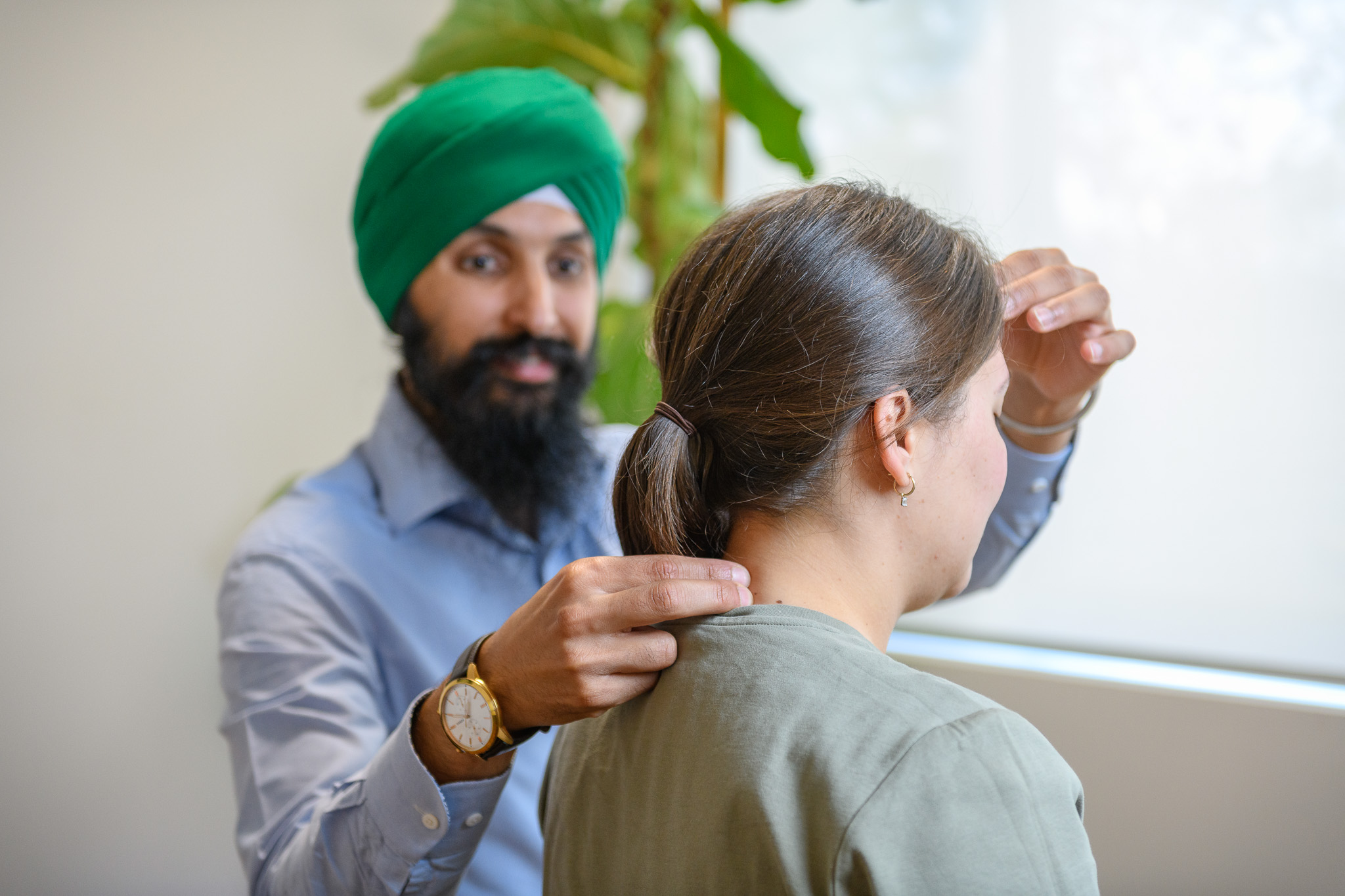
These are common reasons people seek an assessment. They do not confirm a diagnosis.
Neck, shoulder or back symptoms that build across the working day.
Difficulty remaining comfortable during computer work or driving.
Symptoms that change when you stand, walk or alter position.
Uncertainty about desk habits, ergonomics or activity balance.
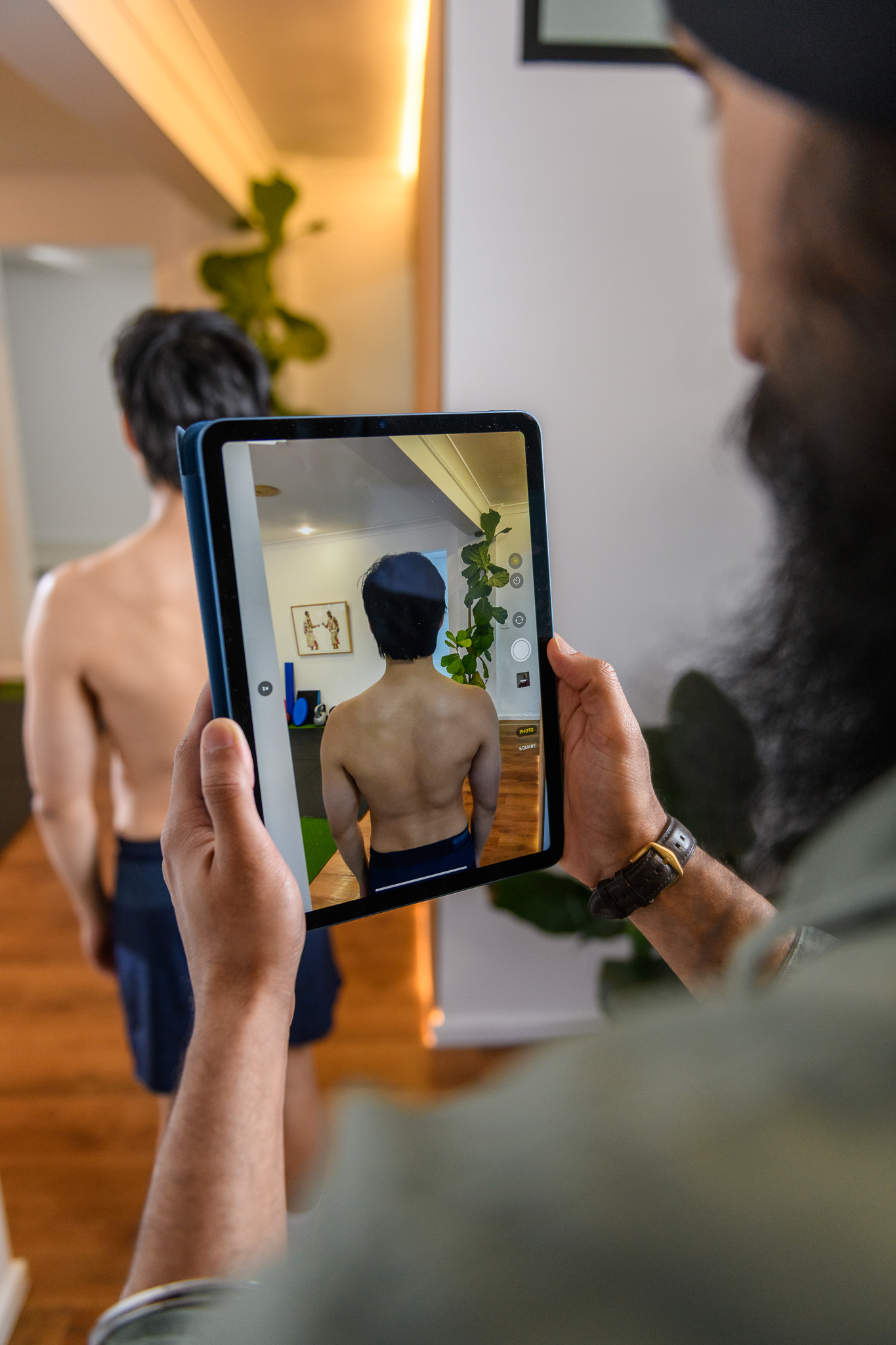
Posture is only one part of the picture. We consider your symptoms, work demands, movement variety, stress, sleep and activity before recommending practical changes that fit your day.
We discuss your work pattern, setup and symptom behaviour.
Relevant neck, shoulder and spinal movement is assessed.
Small changes to movement variety and work habits are prioritised.
Treatment and exercises are selected according to your findings and goals.
Long periods at a desk can contribute to neck, shoulder or back discomfort, but there is rarely one perfect posture that solves everything. Workload, movement variety, screen setup, strength, sleep and stress can all influence how the body responds.
Assessment looks at when symptoms appear, how they change through the day, relevant movement and the tasks that are difficult. This helps separate useful changes from generic ergonomic advice.
Recommendations may include movement breaks, workstation adjustments, mobility, strength and treatment when appropriate. The goal is to increase tolerance and options rather than making you fearful of sitting.
Back Space is accessible to professionals and home-based workers from Carlingford, Epping, Eastwood, North Rocks, Oatlands, Telopea, Dundas Valley, Beecroft and West Pennant Hills.
No. Suitability depends on the history, symptoms and examination. Referral or further investigation is recommended when needed.
A referral is not required for a private appointment. Bring any relevant reports or imaging you already have.
Read the new-patient guide, wear comfortable clothing and use the Book page to select the correct pathway.
Book online or call if you would like to ask a question first.