
Home › Conditions & Care › Movement assessment (SFMA)
Movement assessment · Carlingford
Find out how you move, not just where it hurts
Pain often shows up in one place while the movement problem sits somewhere else. The Selective Functional Movement Assessment (SFMA) is a structured, head-to-toe system that helps us see how your whole body moves, so your plan is built on what we find rather than guesswork.
45-minute first visit · No referral needed · HICAPS · Free on-site parking
Dr Balraj Ougra is SFMA Level 1 certified.
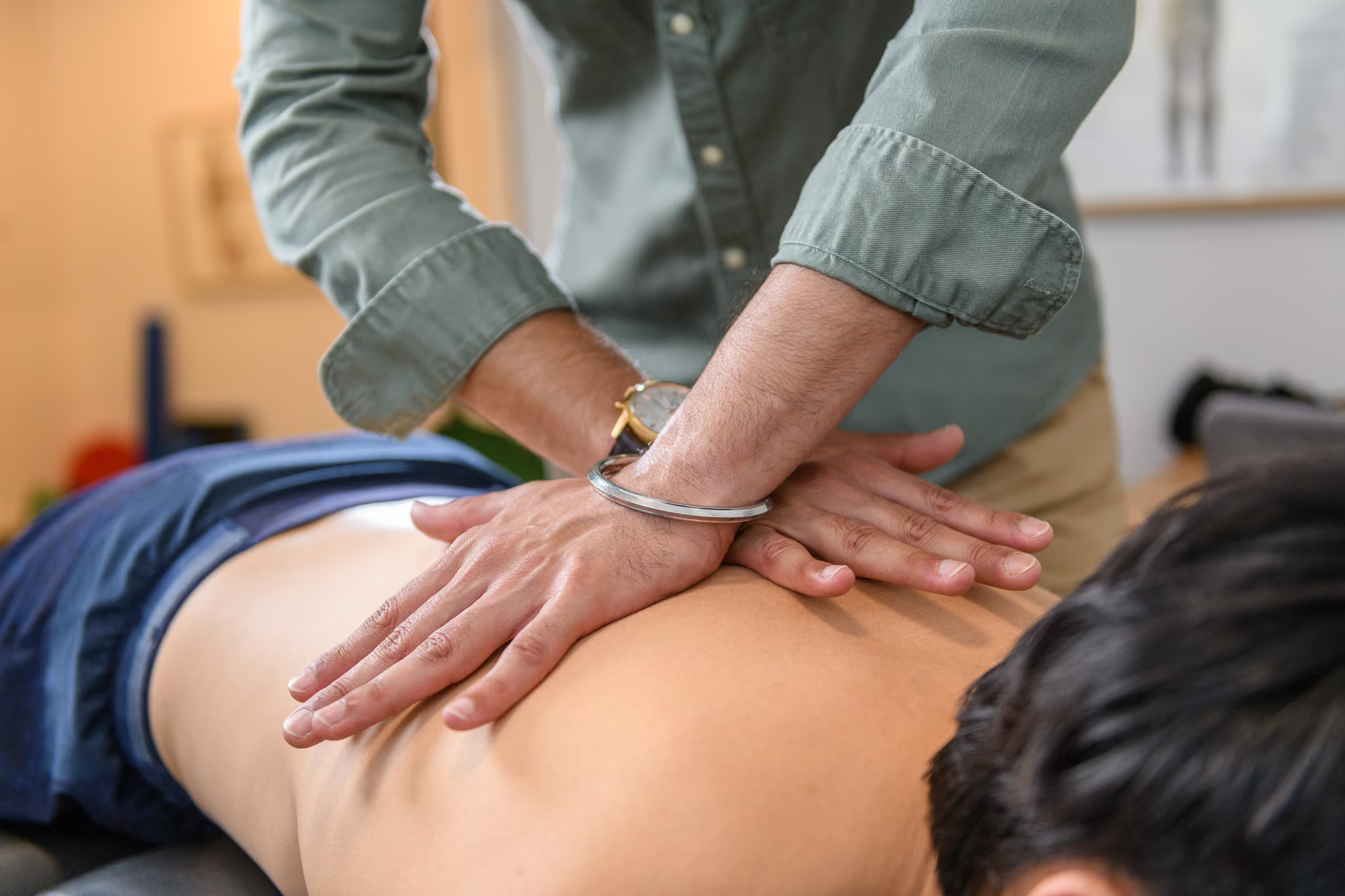
How an SFMA works
Seven patterns, one clear picture
Seven core movement patterns.
You’ll do a series of everyday movements, such as bending, reaching, squatting, turning and balancing, while we watch how each one looks and feels.
Sorting what we see.
Each movement is graded as comfortable or painful, and as well-controlled or limited.
Breaking it down.
For the movements that aren’t working well, we test further to see whether the limit looks like stiffness, a control or stability issue, or both.
A targeted plan.
We explain what we found and use it to choose the right mix of chiropractic care, exercise and advice.
Who it may suit
When the sore spot isn’t the whole story
An SFMA looks at how your whole body moves, so care can be aimed at what may be driving the pattern as well as where you feel it.
Who you’ll see

Questions
Is SFMA a treatment?
It’s an assessment system. It guides which treatment and exercises are most likely to suit you.
What should I wear?
Comfortable clothing you can bend, squat and reach in.
How long does it take?
It’s usually part of your initial consultation. We’ll let you know if a longer session is recommended.
Do I need to be in pain?
No. Some people use it to understand how they move before taking up a sport or training plan.
Ready to find out what’s going on?
Book a 45-minute initial consultation in Carlingford. If you’re not sure it’s right for you, call and we’ll talk it through.
This page provides general information only and is not a diagnosis. Your practitioner will assess you individually and discuss whether care is suitable for you. In an emergency, call 000.